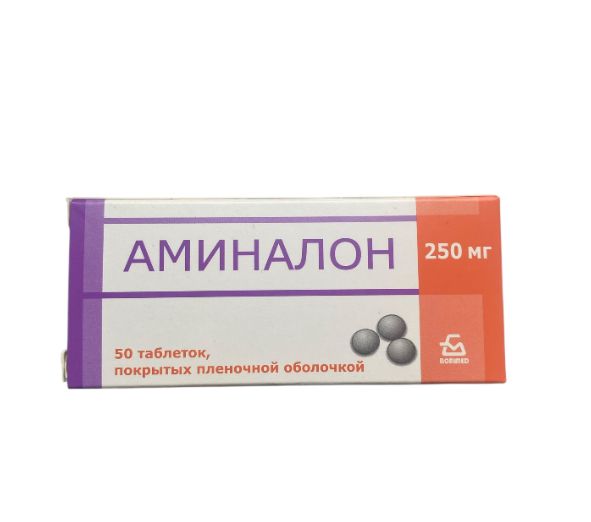
Aminalon 250 mg 50 tabs
€20
Nootropic drug
In stock
Aminalon 250 mg 50 tabs
Product Details
Aminalon 250 mg: An Endogenous Neurotransmitter as a Tool for Nootropic Therapy and Neurorehabilitation
Among the extensive family of nootropic agents, one preparation stands apart: its active ingredient is not a laboratory-synthesized molecule, but a naturally occurring brain metabolite. Aminalon delivers 250 mg of gamma-aminobutyric acid (GABA) in each tablet and is supplied in a pack of 100, calibrated for an extended therapeutic course. GABA is the primary inhibitory neurotransmitter of the central nervous system, and its additional exogenous supply can exert a complex influence on neuronal metabolism, cerebral hemodynamics, and cognitive processes.
🧠 Pharmacological Core: GABA as a Neurometabolic Regulator
Gamma-aminobutyric acid is an endogenous compound, normally synthesized within neurons from glutamic acid. Its physiological roles are multifaceted:
- Neurotransmitter Function. By binding to GABA receptors on the postsynaptic membrane, it diminishes neuronal excitability, ensuring equilibrium between excitation and inhibition within the CNS.
- Metabolic Effect. GABA enhances glucose utilization by brain tissue, stimulates energy metabolism within neurons, and facilitates the clearance of toxic metabolic byproducts.
- Hemodynamic Action. The drug exerts a mild hypotensive effect, reducing initially elevated blood pressure and attenuating the severity of hypertension-associated symptoms — dizziness, headache, and sleep disturbances. A concurrent, moderate reduction in heart rate is observed.
- Antihypoxic and Anticonvulsant Activity. GABA bolsters neuronal resistance to oxygen deprivation and is capable of dampening seizure readiness.
A notable peculiarity: in patients with diabetes mellitus, Aminalon tends to lower blood glucose levels, whereas under normoglycemic conditions it may induce a physiological increase — a bidirectional effect that mandates medical oversight.
📋 Indications: Who Benefits and in Which Scenarios
The drug is indicated for adults and children aged 6 years and older as part of the treatment of the following conditions:
1. Cerebrovascular Pathology and Neurotrauma:
- The rehabilitation period following acute cerebrovascular accidents (strokes).
- Sequelae of traumatic brain injuries.
2. Chronic Encephalopathies of Diverse Origin:
- Atherosclerotic encephalopathy (on the background of cerebral atherosclerosis).
- Hypertensive encephalopathy (driven by long-standing arterial hypertension).
- Alcoholic encephalopathy (within a comprehensive treatment framework).
3. Psychoorganic Syndrome — impairment of memory and intellectual productivity, affective lability, and fatigability of mental processes.
4. Pediatric Neurology (as part of complex treatment):
- Cerebral palsy and the consequences of birth trauma.
- Mental retardation (developmental delay).
5. Kinetoses: prevention of sea and air sickness symptoms.
💊 Dosing Regimen and Administration Rules
Tablets are taken orally, before meals. Dosage is differentiated by age and clinical task:
Adults:
- Single dose: 0.5–1.25 g (2–5 tablets) three times daily.
- Maximum daily dose: 1.5–3 g (6–12 tablets).
- For kinetoses: 0.5 g (2 tablets) three times daily for the 3–4 days preceding travel.
Children:
- Age 6 years: daily dose 2–3 g (8–12 tablets) in 3 divided intakes.
- Age 7 years and above: daily dose 1.5–3 g (6–12 tablets).
- For kinetoses: 0.25 g (1 tablet) three times daily for the 3–4 days prior to travel.
Therapy Duration: The minimum course is 2–3 weeks; the optimal course ranges from 2 to 4 months. If necessary, courses may be repeated 1–2 times per year at the discretion of the treating physician.
⚠️ Contraindications
Aminalon intake is absolutely ruled out in the following circumstances:
- Hypersensitivity to GABA or any excipient in the tablet.
- Acute renal failure.
- The first trimester of pregnancy.
- The breastfeeding period.
- Children under 6 years of age.
Special Considerations:
- The tablets contain sucrose — patients with hereditary fructose intolerance, glucose-galactose malabsorption, or sucrase-isomaltase deficiency require prior medical consultation.
- In patients with labile blood pressure, particular caution is warranted at the onset of treatment due to the risk of significant blood pressure fluctuations.
📊 Adverse Reactions and Overdose
When therapeutic doses are respected, Aminalon is well tolerated. Possible undesirable effects include:
- Dyspeptic syndrome: nausea, vomiting, abdominal discomfort.
- Allergic reactions.
- Elevated body temperature, sensation of heat.
- Sleep disturbances (insomnia).
- Blood pressure lability.
Intoxication develops exclusively upon the simultaneous ingestion of extremely high doses — exceeding 10–20 g. The clinical picture encompasses nausea, vomiting, epigastric pain, hyperthermia, headache, drowsiness, and bradycardia. No specific antidote exists. Management consists of immediate drug discontinuation, gastric lavage with activated charcoal, administration of coating agents, and supportive symptomatic therapy directed at resolving the resultant disturbances.
🚗 Impact on Daily Activities
During the treatment period, caution is required when driving motor vehicles and performing tasks that demand heightened concentration and rapid psychomotor reactions.
📦 Storage
Tablets must be kept in the original packaging, in a dry location inaccessible to children. The manufacturer does not stipulate specific temperature constraints; however, standard room temperature (15–25 °C / 59–77 °F) is considered optimal.
📦Find out about the delivery to your country on WhatsApp
Important notice
The photograph is provided for product identification. Packaging design may vary by batch or market. This page provides general product information and does not replace the package leaflet, diagnosis, prescription or advice from a doctor or pharmacist.
You May Also Like

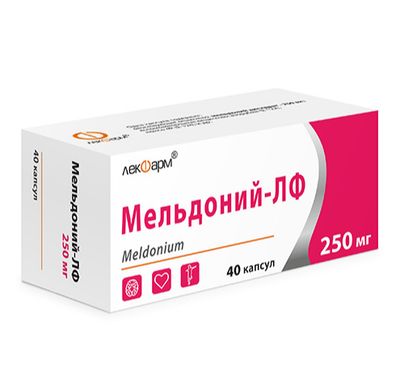
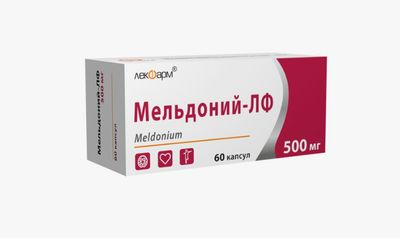
MELDONIUM-LF 250/500 mg 40 capsules
MELDONIUM-LF 250/500 mg 40 capsules
vascular and nervous system
€25
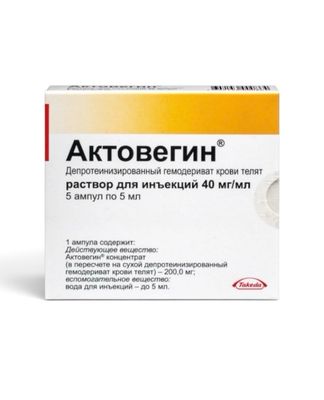
Actovegin 40 mg/ml solution for injection 5 ml 5 ampoules
Actovegin 40 mg/ml solution for injection 5 ml 5 ampoules
Deproteinized hemoderivative metabolic cytoprotector for injection
€48
Display prices in:EUR