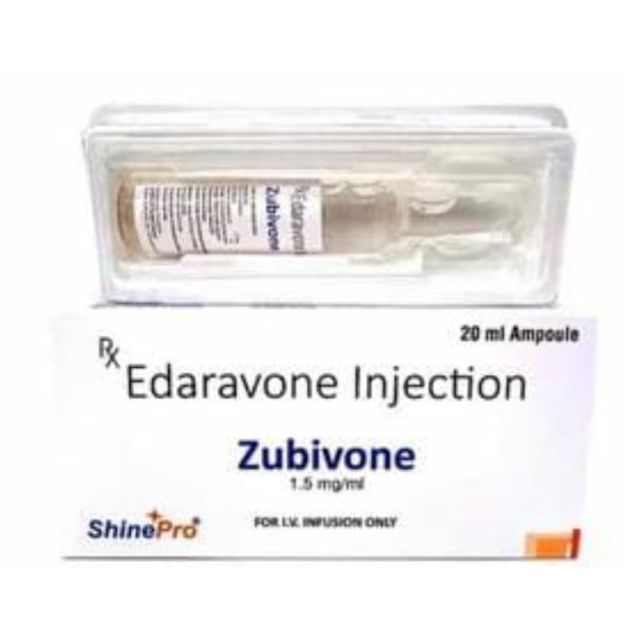
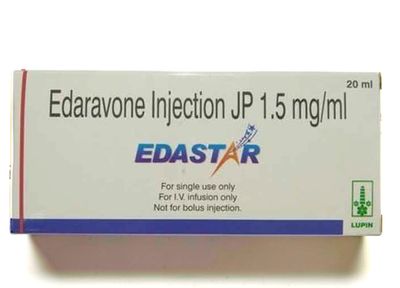
Zubivone (Edaravone) 1.5 mg 20 ml 1 ampoule
€20.50
A drug for the treatment of stroke and ALS
In stock
Zubivone (Edaravone) 1.5 mg 20 ml 1 ampoule
Product Details
Zubivone (Edaravone) 1.5 mg/mL: A Free-Radical Scavenger in the Treatment of Acute Ischemic Stroke and Amyotrophic Lateral Sclerosis
Oxidative stress represents one of the central mechanisms of neuronal injury — both during acute vascular catastrophes and in the context of slowly progressive neurodegenerative disorders. Zubivone is an Indian generic of the original Japanese agent Radicava, delivering edaravone at a concentration of 1.5 mg/mL. A single 20 mL ampoule contains 30 mg of the active substance. Unlike most neuroprotective agents, edaravone does not act through receptor-mediated pathways; instead, it operates directly at the biochemical level, intercepting and neutralizing free radicals before they can trigger an irreversible cascade of cell membrane destruction.
🧬 Mechanism of Action: Antioxidant Defense at the Molecular Level
In ischemic stroke or cerebral hemorrhage, a cascade of pathological biochemical reactions is unleashed within the brain parenchyma. The pivotal link is a surge in the production of reactive oxygen species, particularly hydroxyl radicals (OH•). Paradoxically, their source is the very process of blood flow restoration (reperfusion): upon the return of oxygen to previously ischemic tissue, an aberrant upregulation of arachidonic acid metabolism and of radical-generating enzyme systems occurs.
These aggressive molecular species attack the polyunsaturated fatty acid chains that constitute the phospholipids of neuronal and vascular endothelial cell membranes. A self-propagating chain reaction of lipid peroxidation ensues: a single radical molecule can devastate hundreds of lipid molecules, converting a functional membrane barrier into a leaky sieve. The clinical consequences include escalating cerebral edema, progressive neuronal death, and the exacerbation of neurological deficit.
Edaravone functions as a direct free-radical scavenger. It interacts chemically with hydroxyl and peroxyl radicals, converting them into stable, non-reactive compounds. Simultaneously, it inhibits lipid peroxidation, shielding neuronal and endothelial cell membranes from oxidative destruction. Edaravone’s key advantage over many other antioxidants is its ability to cross the blood-brain barrier and to operate directly within brain tissue.
In amyotrophic lateral sclerosis (ALS) — where the precise etiology remains incompletely understood — the accumulation of oxidative damage within motor neurons is regarded as one of the principal drivers of their progressive demise. By attenuating the intensity of the oxidative assault, edaravone slows the tempo of neurodegeneration, a benefit clinically expressed as the preservation of motor function over a more extended period.
📋 Clinical Indications
Zubivone is deployed in two fundamentally distinct clinical scenarios:
1. Acute Ischemic Stroke and Transient Ischemic Attack.
- Goal: reduction of the ischemic injury volume and prevention of long-term post-stroke neurological sequelae.
- Critically, therapy must be initiated early — within the first 24 hours following symptom onset.
2. Amyotrophic Lateral Sclerosis (ALS).
- Goal: deceleration of functional deterioration in patients with a confirmed ALS diagnosis.
- The drug does not cure ALS, but it is capable of extending the window of preserved motor independence.
💉 Administration Protocol: Two Pathologies — Two Regimens
For Acute Ischemic Stroke:
- Single dose: 30 mg (1 ampoule) twice daily (morning and evening).
- Route: intravenous infusion over 30 minutes.
- Preparation: the ampoule contents are dissolved in 100 mL of 0.9% sodium chloride solution.
- Treatment duration: a minimum of 14 days. The course may be abbreviated depending on the patient’s clinical condition.
For ALS:
- Single dose: 60 mg (2 ampoules) once daily.
- Route: intravenous infusion over 60 minutes.
- Preparation: the ampoule contents are dissolved in a sufficient volume of 0.9% sodium chloride.
- Cyclic Regimen:
- First Course: 14 days of infusions, followed by a 14-day rest period (28 days = 1 course in total).
- Second and Subsequent Courses: 10 days of infusions within a 14-day window, followed by a 14-day rest period.
⚠️ Contraindications and Pharmaceutical Incompatibilities
- Severe Renal Failure (an absolute contraindication).
- Hypersensitivity to edaravone or any excipient (including sodium metabisulfite E223).
- Pregnancy. Safety has not been established; prescription is inadvisable.
- Lactation. The drug passes into breast milk; breastfeeding must be suspended throughout the therapy period.
- Pediatric Population. Clinical experience is absent; safety has not been established.
Critical Pharmaceutical Compatibility Rules:
Edaravone is chemically incompatible with a range of drugs and solutions. The following are categorically prohibited:
- Admixture with infusion solutions containing any sugars (glucose, fructose, etc.) — this diminishes edaravone concentration.
- Admixture with parenteral nutrition solutions and amino acid mixtures.
- Co-administration through the same infusion line with anticonvulsant agents (diazepam, phenytoin, etc.) due to the risk of precipitate formation.
- Admixture with potassium canrenoate.
Upon concomitant prescription with antibiotics possessing a renal excretory pathway (cefazolin, cefotiam, piperacillin, etc.), meticulous renal function monitoring is mandatory.
📊 Adverse Reaction Profile
The spectrum of potential complications is broad; consequently, therapy is conducted exclusively in an inpatient setting under continuous surveillance:
- Renal: acute renal failure, nephrotic syndrome.
- Cutaneous: rash, redness, swelling, pruritus, erythema.
- Hepatic: liver dysfunction, hepatic failure, fulminant hepatitis, jaundice.
- Nervous System: insomnia, headache.
- Cardiovascular: blood pressure elevation.
- Hematological: agranulocytosis, disseminated intravascular coagulation (DIC), anemia, leukopenia, thrombocytopenia, thrombocytosis, alterations in hematocrit and hemoglobin.
- Respiratory: acute lung injury syndrome (accompanied by pyrexia, cough, dyspnea, chest X-ray abnormalities).
- Immunological: shock, anaphylactic shock (urticaria, hypotension, respiratory difficulty).
- Gastrointestinal: nausea, vomiting.
- Musculoskeletal: rhabdomyolysis.
Enhanced Caution in Elderly Patients. Owing to the general decline in physiological function within this population, the risk of fatal outcomes is elevated; supervision must be especially vigilant.
📦 Storage
Ampoules must be stored in the original packaging at a temperature not exceeding 25 °C (77 °F), in a location inaccessible to children. The shelf life is 2 years. The drug is intended exclusively for inpatient hospital use.
Important notice
The photograph is provided for product identification. Packaging design may vary by batch or market. This page provides general product information and does not replace the package leaflet, diagnosis, prescription or advice from a doctor or pharmacist.
You May Also Like
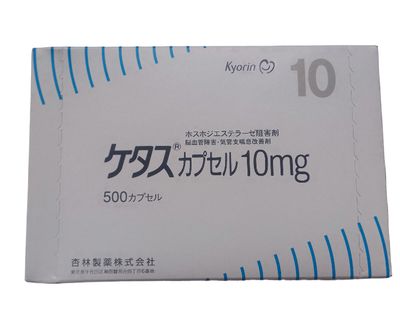
Ketas (Ibudilast) 10 mg 500 capsules.
Ketas (Ibudilast) 10 mg 500 capsules.
A drug for the treatment of bronchial asthma, as well as ALS and MS
€264
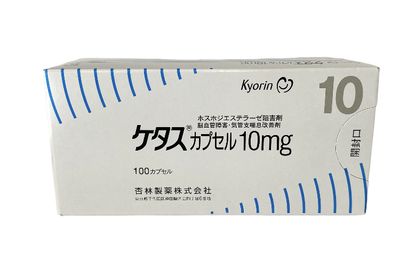
Ketas (Ibudilast) 10 mg 100 tab.
Ketas (Ibudilast) 10 mg 100 tab.
A drug for the treatment of asthma
€67
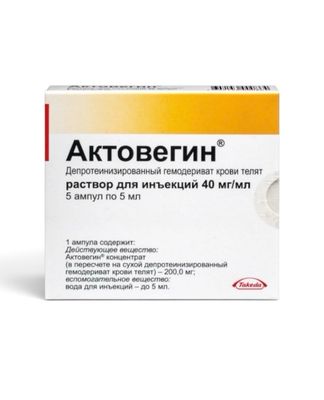
Actovegin 40 mg/ml solution for injection 5 ml 5 ampoules
Actovegin 40 mg/ml solution for injection 5 ml 5 ampoules
Deproteinized hemoderivative metabolic cytoprotector for injection
€48
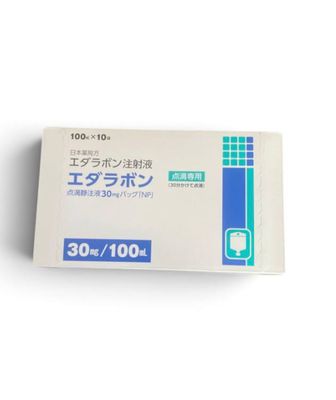
Edaravone infusion solution 30 mg/100 mL bag (NP) 10 bags
Edaravone infusion solution 30 mg/100 mL bag (NP) 10 bags
Edaravone 30 mg in 100 mL, 10 ready-to-use infusion bags — Japanese prescription free radical scavenger (Nipro)
€456
Display prices in:EUR