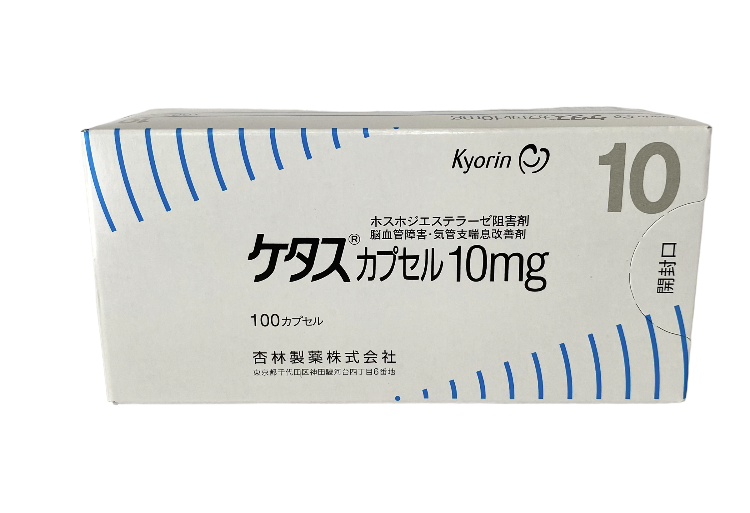
Ketas (Ibudilast) 10 mg 100 tab.
€67
A drug for the treatment of asthma
In stock
Ketas (Ibudilast) 10 mg 100 tab.
Product Details
Ketas (Ibudilast) 10 mg 100 tab.
Ketas (Ibudilast): A Multipurpose Neuroprotective and Anti-Inflammatory Agent
In the pharmacopeia, certain molecules emerge whose therapeutic reach extends well beyond a single disease. Ketas is the brand name for an original Japanese preparation, Ibudilast, manufactured by Kyorin Pharmaceutical. Initially developed to manage bronchial asthma, it has since captured keen interest from the neurological community owing to its capacity to decelerate degenerative processes within the central nervous system. A pack holds 100 capsules of 10 mg each — sized for a long-term therapeutic course. Let’s unpack the many dimensions of this remarkable drug.
🔬 Mechanism of Action: The Biochemical Cascade
Ibudilast operates as a phosphodiesterase (PDE) inhibitor. The PDE family of enzymes governs the intracellular concentration of cyclic nucleotides (cAMP and cGMP) — key messenger molecules that orchestrate inflammatory and immune signaling cascades.
The defining feature of ibudilast is its preferential inhibition of the PDE4 subtype, which is localized in immune cells, airway smooth muscle, and — critically — microglial cells (the brain’s immune sentinels). By suppressing PDE4, it elevates cAMP levels, yielding a triad of effects:
- Anti-inflammatory Action: Production of pro-inflammatory cytokines (TNF-alpha, interleukins) is curtailed, and neutrophil trafficking to inflamed tissue is reduced.
- Neuroprotection: Pathological microglial activation — a central driver of neuronal injury in neurodegenerative disease — is downregulated.
- Bronchodilation and Anti-asthmatic Effect: Airway smooth muscle relaxes, and bronchial hyperreactivity diminishes.
📋 Map of Clinical Indications
The compound’s therapeutic spectrum spans several disparate domains:
1. Neurological Profile:
- Multiple Sclerosis (MS): Ibudilast has been investigated in clinical trials as an agent capable of slowing whole-brain atrophy and the progression of disability.
- Amyotrophic Lateral Sclerosis (ALS): In Japan, ibudilast is also known under the name Radicavit and holds approval for ALS treatment. Its objective is to mitigate excitotoxic injury to motor neurons driven by excess glutamate, thereby extending the window of preserved motor function.
- Chronic Cerebrovascular Disorders: Sequelae of cerebral infarction, typified by dizziness and cognitive insufficiency.
2. Pulmonological Profile:
- Bronchial Asthma: Employed as a baseline anti-inflammatory agent to decrease both the frequency and severity of exacerbations.
3. Emerging Investigational Avenues:
- Research is ongoing into ibudilast’s utility for neuropathic pain, Parkinson’s disease, and other conditions in which neuroinflammation and glial activation drive pathogenesis.
💊 Dosing Regimen: A Personalized Approach
Ibudilast comes in capsule form featuring a white body and cap. The specific intake schedule is always determined by the prescribing physician, yet standard protocols provide the starting framework:
- For Cerebrovascular Pathology: One capsule (10 mg) three times daily.
- For Bronchial Asthma: One capsule (10 mg) twice daily.
Dosage is subject to individualized adjustment based on patient age, symptom severity, and concurrent conditions.
Essential Discipline Rules:
- If a dose is missed, take it as soon as you remember. However, if the window remaining before the next scheduled dose is less than 4 hours, skip the forgotten dose to avoid a double load. Never double a dose to compensate for a missed one.
- Exceeding the prescribed quantity demands immediate consultation with a physician or pharmacist.
- Discontinuing the course without medical sanction is forbidden — abrupt cessation can destabilize the condition being treated.
⚠️ Cautions and Contraindications
Before commencing therapy, it is mandatory to inform your specialist about the following:
- Allergy History: Any prior episodes of itching, rash, or other hypersensitivity reactions to medications.
- Recent Intracranial Hemorrhage: This is an absolute contraindication.
- Pregnancy and Lactation: Safety has not been established; the decision is taken by a physician guided by strict risk-benefit assessment.
- Concomitant Pharmacotherapy: Certain drugs may potentiate or, conversely, diminish ibudilast’s therapeutic action. This includes not only prescription items but also over-the-counter products and dietary supplements.
📊 Spectrum of Potential Adverse Reactions
The majority of side effects are mild and self-limiting. The more commonly encountered include:
- Diminished appetite and nausea.
- Hypersensitivity skin reactions (rash, pruritus).
Signals Prompting Immediate Discontinuation and Medical Contact:
- Emergence of a bleeding tendency, or unexplained subcutaneous hematomas (may signal thrombocytopenia).
- Profound fatigue, loss of appetite coupled with yellowing of the skin or sclera (indicative of hepatic dysfunction or jaundice).
This listing is not exhaustive. Any novel or unusual symptom arising during treatment warrants professional attention.
🧠 ALS Focus: What to Understand
Amyotrophic lateral sclerosis is a devastating neurodegenerative illness wherein progressive motor neuron death leads to paralysis and respiratory failure. One of the principal mechanisms of neuronal injury in ALS is excitotoxicity — cellular death triggered by excessive glutamate receptor stimulation.
Ibudilast acts as an antagonist to this glutamatergic pathway. By lowering the pathologically elevated level of this neurotransmitter within the synaptic cleft, it helps confer partial protection upon motor neurons. Clinical data indicate that the drug may:
- Slow the rate of motor functional decline.
- Mitigate the severity of muscle spasticity.
- Enhance quality of life and, based on some observations, prolong survival.
Realistic expectations, however, are key: ibudilast does not cure ALS, nor does it restore neurons that have already been lost. It is a tool for palliative, disease-modifying containment therapy, and it must be used exclusively under medical supervision and as part of a holistic patient management plan.
📦 Proper Storage
Capsules must be kept in a cool, dry location, well-protected from direct sunlight. Access by children must be categorically prevented. Unused remnants of the medication should be discarded according to proper disposal guidelines — do not store leftovers.
The Philosophy of Responsible Care: This description serves a purely educational and informational purpose and in no way substitutes for an in-person medical consultation. Only a qualified clinician can determine whether ibudilast is appropriate within your specific clinical context.
Important notice
The photograph is provided for product identification. Packaging design may vary by batch or market. This page provides general product information and does not replace the package leaflet, diagnosis, prescription or advice from a doctor or pharmacist.
You May Also Like
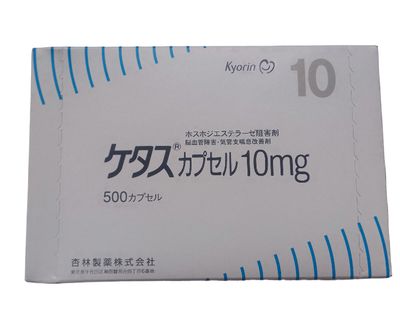
Ketas (Ibudilast) 10 mg 500 capsules.
Ketas (Ibudilast) 10 mg 500 capsules.
A drug for the treatment of bronchial asthma, as well as ALS and MS
€264
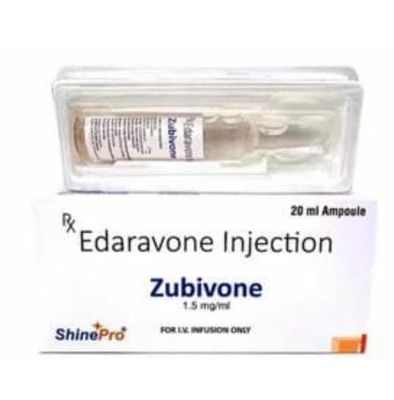
Zubivone (Edaravone) 1.5 mg 20 ml 1 ampoule
Zubivone (Edaravone) 1.5 mg 20 ml 1 ampoule
A drug for the treatment of stroke and ALS
€20.50
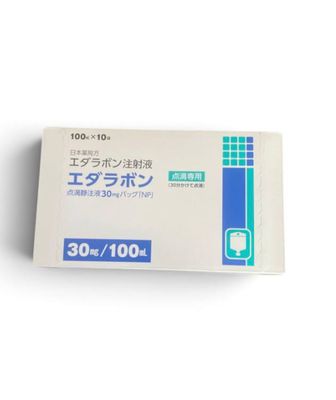
Edaravone infusion solution 30 mg/100 mL bag (NP) 10 bags
Edaravone infusion solution 30 mg/100 mL bag (NP) 10 bags
Edaravone 30 mg in 100 mL, 10 ready-to-use infusion bags — Japanese prescription free radical scavenger (Nipro)
€456
Display prices in:EUR