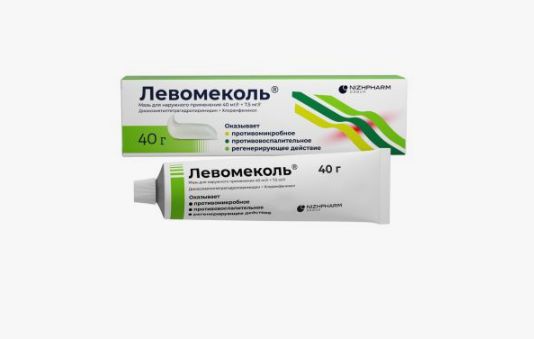
Levomekol ointment 40 g
€20
Antibiotic Wound Healing Ointment
In stock
Levomekol ointment 40 g
Product Details
Levomekol ointment is a combined medicinal product for external use with antibacterial and anti—inflammatory effects that promote wound healing.
1. Composition and form of release
Active ingredients:
Chloramphenicol (levomycetin) is a broad—spectrum antibiotic. It kills many types of bacteria (Staphylococcus, Pseudomonas aeruginosa, E. coli, etc.).
Methyluracil is a substance that improves tissue regeneration (repair), relieves inflammation and strengthens local immunity.
Product form: Ointment for external use of white or yellowish color. Available in cans or tubes (25g, 30g, 40g).
2. Pharmacological action
Antibacterial: Effectively fights against pyogenic bacteria.
Regenerating: Accelerates the healing and repair of tissues.
Anti-inflammatory and dehydrating: Draws out purulent exudate and cleanses the wound, reduces swelling.
The ointment has a good penetrating ability even in the presence of pus and necrotic masses, without damaging biological membranes.
3. Indications for use
Levomekol is used for purulent wounds, especially in the first (purulent-necrotic) phase of the wound process.
Purulent wounds (infected)
Boils, carbuncles
Trophic ulcers
Burns of 2-3 degrees (at the stage of suppuration)
Pressure sores
Inflamed postpartum tears, stitches
After opening purulent abscesses
4. Contraindications
Individual hypersensitivity to chloramphenicol, methyluracil or other components of the ointment.
Psoriasis, eczema, fungal skin lesions at the site of application.
With caution during pregnancy, lactation and in children (only for strict indications and after consulting a doctor).
5. Method of administration and dosage
1. Wound cleaning: Before application, the wound must be cleaned of pus and necrotic tissues using sterile saline solution or antiseptic (for example, chlorhexidine).
2. Application:
Superficial wounds: The ointment is applied in a thin layer on a sterile gauze cloth or swab. The wound is loosely filled with this napkin.
Deep purulent cavities: Using a syringe, a preheated ointment (to body temperature) is injected into the cavity through a drainage tube.
3. Dressing: A napkin with ointment is fixed on the wound with a bandage or adhesive plaster.
4. Changing the bandage: Bandages are changed daily until the wound is cleared of pus and necrosis. In severe cases, it can be changed 2 times a day. After cleansing the wound and the appearance of granulations (young tissue), the use of Levomecol is usually discontinued.
6. Side effects
Local reactions: Allergic reactions (rash, itching, redness, urticaria, swelling at the application site).
Systemic reactions (extremely rare, with extensive use over large areas): Reactions associated with the absorption of chloramphenicol (inhibition of hematopoiesis) may occur.
7. Special instructions
It is not recommended to apply the ointment simply on undamaged skin.
Avoid getting the ointment in the eyes and on the mucous membranes.
If signs of allergy appear, the use of ointment should be discontinued.
Do not use the ointment after the expiration date (usually 3.5 years).
8. Interaction with other medicinal products
There were no clinically significant interactions with topical application. However, when used concomitantly with other topical remedies, it is recommended to consult a doctor.
9. Storage conditions
Keep out of reach of children, protected from light, at a temperature not exceeding +20 °C (some manufacturers indicate up to +25 ° C). Do not freeze.
📦Find out about the delivery to your country on WhatsApp
Important notice
The photograph is provided for product identification. Packaging design may vary by batch or market. This page provides general product information and does not replace the package leaflet, diagnosis, prescription or advice from a doctor or pharmacist.
You May Also Like
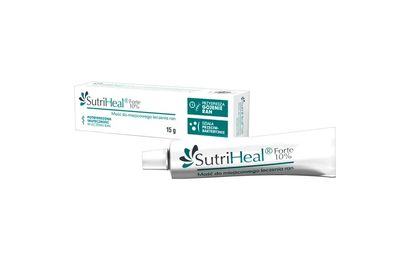
SutriHeal Forte 10% Wound Healing Ointment 15g
SutriHeal Forte 10% Wound Healing Ointment 15g
Ointment for wound healing
€23
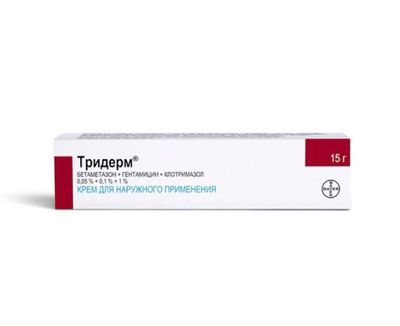
Triderm (Betamethasone + Gentamicin + Clotrimazole) 0.05% + 0.1% + 1% 15 g cream
Triderm (Betamethasone + Gentamicin + Clotrimazole) 0.05% + 0.1% + 1% 15 g cream
Betamethasone 0.05% + gentamicin 0.1% + clotrimazole 1%, 15 g cream — triple-combination topical (corticosteroid + antibiotic + antifungal) for infected dermatoses, eczema and dermatomycoses (supplied from Belarus)
€23
Display prices in:EUR