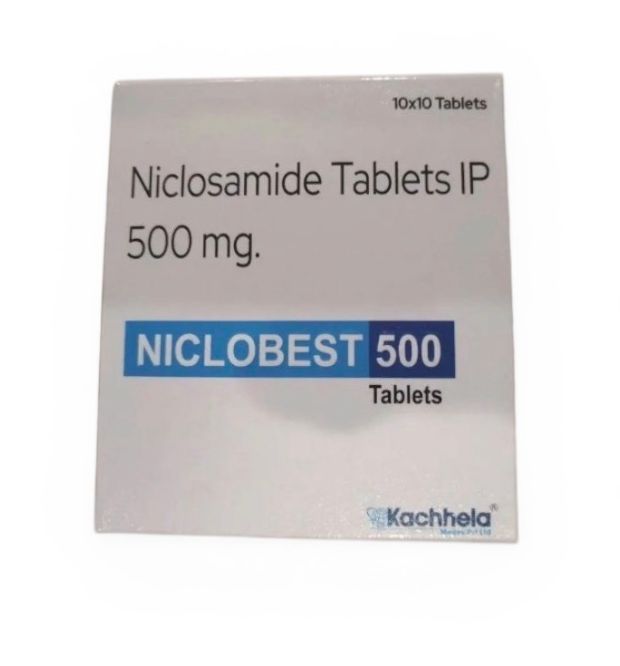
Niclosamide 500 mg 100 tablets
€30
Antiparasitic agent
In stock
Niclosamide 500 mg 100 tablets
Product Details
Niclosamide 500 mg 100 tablets
Niclosamide 500 mg is a narrow—spectrum anthelmintic drug used to treat infestations caused by tapeworms (cestodes) .
The spectrum of action
The drug is active against the following pathogens :
Bull tapeworm (Taeniarhynchus saginatus)
Pork tapeworm (Taenia solium)
Broad ribbon (Diphyllobothrium latum)
Dwarf tapeworm (Hymenolepis nana)
Important: Niclosamide is ineffective against roundworms (nematodes) and is not used to kill them.
Mechanism of action
Niclosamide acts on the mitochondria of parasites, blocking the process of oxidative phosphorylation and disrupting the production of ATP. This leads to paralysis of the worm's musculature, as a result of which it loses its ability to attach to the intestinal mucosa and dies. The drug is practically not absorbed in the gastrointestinal tract (GIT) and acts topically in the intestinal lumen.
Method of application and dosage
500 mg tablets should be thoroughly chewed before ingestion (for children, ground into powder) for better contact with parasites, as the drug is very poorly soluble.
The dosage regimen depends on the type of worm:
In case of invasion by bovine, porcine tapeworm or broad tapeworm (adults): 2 g (4 500 mg tablets) once. A 1 - gram intake scheme is often practiced with an interval of 1 hour .
In case of dwarf tapeworm invasion (adults): A 7-day course is required: on the first day — 2 g, in the next 6 days — 1 g / day.
Recommendations for children:
Children under 2 years of age: 500 mg/day.
Children 2-5 years old: 1 g/day.
Children 5-12 years old: 1.5 g/day .
The drug is usually taken in the morning on an empty stomach or a few hours after a light dinner. 2 hours after taking it, it is recommended to drink a glass of sweet tea with biscuits. In some cases, a doctor may recommend a saline laxative to speed up the removal of fragments of dead worms.
Side effects and safety
Since the drug is not absorbed into the systemic bloodstream, serious side effects are rare. Possible reactions include :
Nausea, vomiting, abdominal pain (dyspeptic symptoms).
Dizziness.
Skin itching or rash.
Contraindications:
Individual intolerance.
Peptic ulcer of the stomach, severe liver and kidney dysfunction, anemia, pregnancy, old age (caution is required).
Additional information:
Although the drug has been approved by the FDA for the treatment of helminthiasis for more than 50 years, its ability to suppress certain signaling pathways in cancer cells (STAT3, Wnt/β-catenin) is currently being actively studied, however, clinical trials face the problem of its low oral bioavailability.
📦Find out about the delivery to your country on WhatsApp
Important notice
The photograph is provided for product identification. Packaging design may vary by batch or market. This page provides general product information and does not replace the package leaflet, diagnosis, prescription or advice from a doctor or pharmacist.
You May Also Like
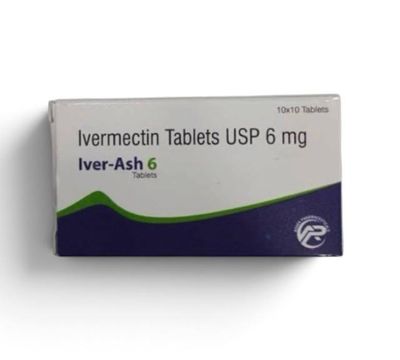
Iver-Ash 6 (Ivermectin) 6 mg 100 tablets
Iver-Ash 6 (Ivermectin) 6 mg 100 tablets
Ivermectin 6 mg, 100 tablets — antiparasitic (anthelmintic)
€62
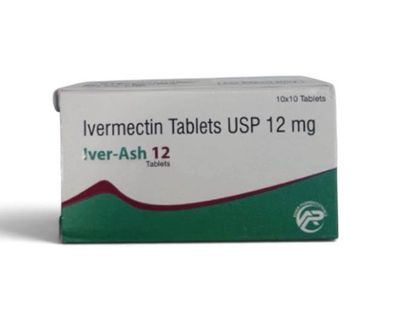
Iver-Ash 12 (Ivermectin) 12 mg 100 tablets
Iver-Ash 12 (Ivermectin) 12 mg 100 tablets
Ivermectin 12 mg, 100 tablets — antiparasitic (anthelmintic)
€72
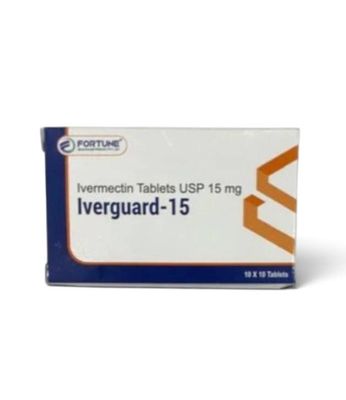
Iverguard-15 (Ivermectin) 15 mg 100 tablets
Iverguard-15 (Ivermectin) 15 mg 100 tablets
Ivermectin 15 mg, 100 tablets — antiparasitic (anthelmintic)
€78
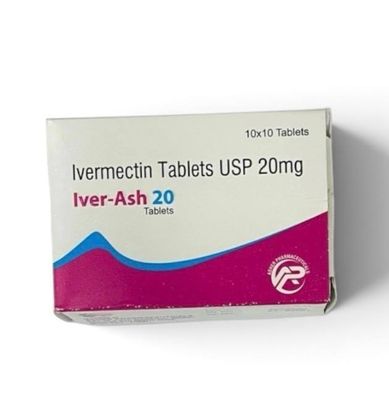
Iver-Ash 20 (Ivermectin) 20 mg 100 tablets
Iver-Ash 20 (Ivermectin) 20 mg 100 tablets
Ivermectin 20 mg, 100 tablets — antiparasitic (anthelmintic)
€80
Display prices in:EUR