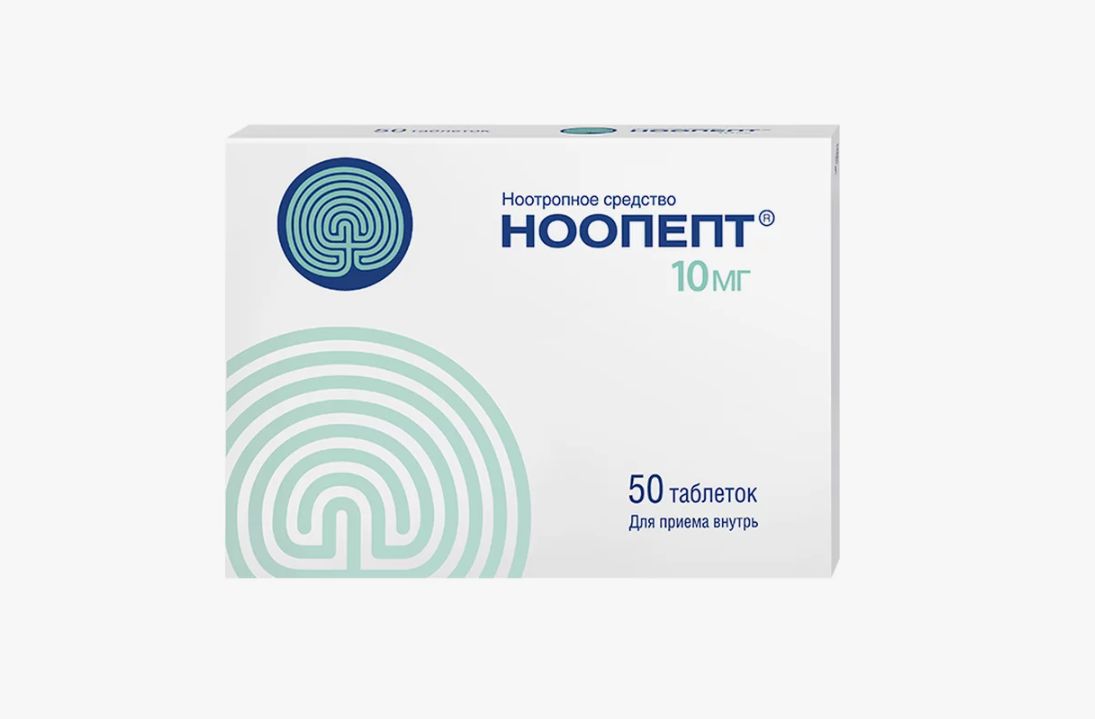
Noopept 10 mg 50 pcs. tablets
€50
A nootropic agent
In stock
Noopept 10 mg 50 pcs. tablets
Product Details
Noopept 10 mg 50 pcs. tablets
Noopept: An Intelligent Resource for Mental Clarity and Neuronal Protection
The modern pace of life demands constant output from the brain. Multitasking, information overload, stress, and the lingering effects of vascular problems or injuries can drain our cognitive reserves. In such situations, nootropic agents come to the rescue, and one prominent member of this class is Noopept (10 mg dosage, pack of 50 tablets).
Let’s break down what sets this compound apart, how it functions, and what you need to know before considering it.
🧠 The Intellectual Profile of the Compound
The chemical backbone of Noopept is N-phenylacetyl-L-prolylglycine ethyl ester. Structurally, it's related to the racetam family, yet possesses a distinct molecular architecture. This gives it a dual-action profile:
- Cognitive Stimulation: Activates memory processes, helps hone your ability to focus, and maintains crystal-clear thinking even during intense mental strain.
- Neuroprotection: Shields nerve cells from damage caused by vascular incidents, traumatic brain injury, or toxic exposure.
📋 When Noopept is Prescribed: Direct Indications
A physician may recommend this nootropic to address the following conditions:
- Diminished Mental Performance: If you are noticing absent-mindedness, trouble concentrating, or minor to moderate memory lapses arising from cerebrovascular disorders, age-related changes, or past traumatic brain injuries.
- Asthenic Syndrome: Noopept helps combat chronic fatigue, weakness, and a sense of exhaustion that doesn’t resolve with rest.
- Complex Neurological Therapy: It is integrated into treatment plans for post-concussion disorders and various forms of encephalopathy.
💊 Dosing Regimen: How to Extract Maximum Benefit
To achieve a therapeutic effect, the correct administration schedule is essential.
- Standard Dosage: 10 mg twice daily (the recommended timing is morning and afternoon).
- Method of Administration: The tablet should be swallowed whole, without chewing, accompanied by a sufficient amount of water.
- Course Duration: A typical cycle lasts between one and a half to three months. Should a repeat course become necessary, a pause of at least 30 days is mandatory. The decision to resume is made exclusively by a doctor.
Why shouldn’t you take Noopept at night? The medication possesses activating properties. Taking it in the evening or right before sleep is likely to cause insomnia and disrupt the process of falling asleep.
⚠️ When to Abstain: The Contraindications Checklist
Despite a favorable safety profile, this product isn’t for everyone. Absolute contraindications include:
- Individual hypersensitivity or allergy to the formula’s ingredients.
- Severe liver or kidney dysfunction.
- Pregnancy and breastfeeding (safety data is absent for these groups).
- Children and adolescents (under 18 years of age).
🔍 Zones of Special Caution and Precautionary Measures
Certain situations require closer monitoring by a healthcare professional:
- History of Hypertension: If you suffer from persistently high blood pressure, inform your doctor.
- Gastrointestinal Issues: An acute phase of peptic ulcer disease or gastritis is a reason to consult a physician before starting the course.
- Elderly Patients: The medication is generally well tolerated, but coexisting health issues warrant careful oversight. Dose adjustment may be necessary in cases of significant kidney failure.
📊 Side Effect Spectrum: What Statistics Report
Adverse effects are rare and usually mild. Transient phenomena may include:
- Neurology and Psychiatry: Occasional headaches, dizziness, irritability, mood volatility, or unexplained anxiety.
- Cardiovascular: A reactive rise in blood pressure among predisposed individuals.
- Digestive System: Mild nausea, dry mouth sensation.
- Skin: Allergic rashes or itching.
If the discomfort persists or worsens, stop taking the medication and contact your doctor.
🔗 Complex Interactions: What Not to Mix
Inform your physician about all medications you are taking (including herbal and over-the-counter products). Noopept engages in meaningful interactions:
- Potentiates the Effect: Of anxiolytics (anti-anxiety drugs), certain anticonvulsants (Carbamazepine in particular), and CNS stimulants (like caffeine).
- Reduces the Activity: Of benzodiazepine tranquilizers (Diazepam) and barbiturates (sleeping pills).
- Requires Medical Control: Concurrent therapy with cholinesterase inhibitors (medications for Alzheimer’s disease) or other nootropics must be kept under strict medical observation.
📦 Storage and Responsible Treatment Attitude
Storage conditions are standard: protect from light and moisture, maintain a temperature range of 15-25°C (59-77°F), and ensure the packaging is inaccessible to children.
The most critical piece of advice, which must not be discounted, is this: do not self-medicate. Nootropics are not vitamins, and their uncontrolled intake can cause harm. Only a specialist can competently evaluate your cognitive difficulties, integrate the substance into a comprehensive treatment plan by eliminating hazardous drug conflicts, and make the process of restoring brain performance both safe and effective.
Important notice
The photograph is provided for product identification. Packaging design may vary by batch or market. This page provides general product information and does not replace the package leaflet, diagnosis, prescription or advice from a doctor or pharmacist.
You May Also Like
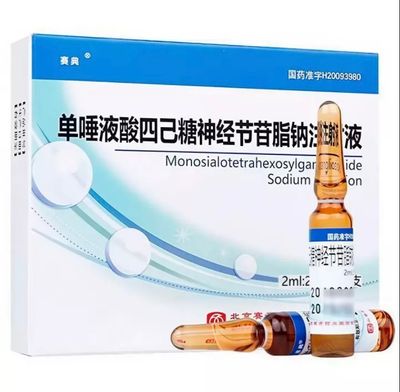
Ganglioside Sodium Injection 20 mg, 6 ampoules/2 ml
Ganglioside Sodium Injection 20 mg, 6 ampoules/2 ml
Treatment of Central Nervous System lesions
€185
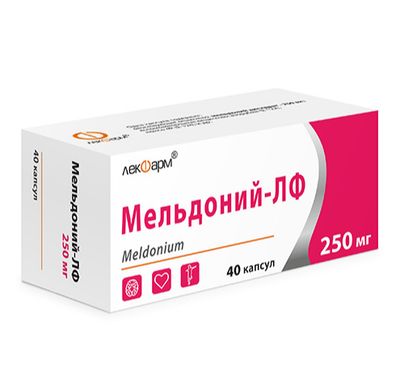
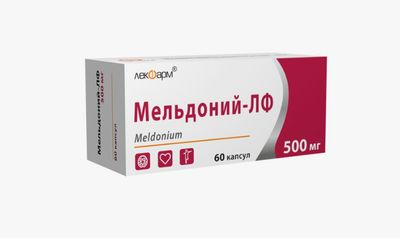
MELDONIUM-LF 250/500 mg 40 capsules
MELDONIUM-LF 250/500 mg 40 capsules
vascular and nervous system
€25
Display prices in:EUR