Retinalamine 5 mg 10 pcs
€167
Peptide bioregulator for retinal protection and restoration
In stock
Retinalamine 5 mg 10 pcs
Product Details
Retinalamin 5 mg: A Peptide Bioregulator for the Protection and Restoration of the Retina
The retina is a delicate neural tissue lining the fundus of the eye, converting light signals into electrical impulses that travel along the optic nerve to the brain. Its neurons — photoreceptors, bipolar cells, and ganglion cells — are extremely vulnerable to ischemia, oxidative stress, age-related metabolic shifts, and genetic defects. The death of these cells is irreversible, and their innate regenerative potential is negligible. Retinalamin is a tissue-specific peptide bioregulator composed of a complex of low-molecular-weight, water-soluble polypeptide fractions extracted from bovine retina. It is supplied as a sterile lyophilisate for solution preparation (5 mg per vial, 10 vials per pack). The drug operates on the principle of "like cures like" — retinal peptides selectively restore retinal function.
🧬 Mechanism of Action: Tissue-Specific Peptide Regulation
Retinalamin is not a foreign stimulant. Its peptides are identical to the signaling molecules that normally regulate the metabolism, repair, and apoptosis of retinal cells. Upon entering the body, they trigger a cascade of physiological effects:
1. Stimulation of Repair and Neuroprotection.
The drug activates the synthesis of cytoskeletal proteins, neurotrophic factors, and antioxidant defense enzymes within photoreceptors and retinal neurons. This decelerates degenerative processes and promotes the restoration of damaged cellular structures.
2. Normalization of Apoptosis.
Retinalamin regulates the balance of pro- and anti-apoptotic proteins (Bax/Bcl-2), preventing the programmed death of retinal neurons triggered by ischemia, glutamate excitotoxicity, or oxidative stress.
3. Improvement of Microcirculation.
The drug normalizes the tone and permeability of choroidal and retinal vessels, reducing edema and improving neuronal trophism.
4. Modulation of Neurotransmitter Balance.
Retinalamin restores physiological glutamate-GABA equilibrium in retinal neurons, preventing excitotoxic injury.
📋 Clinical Indications
Retinalamin is employed in ophthalmological practice across a broad spectrum of diseases united by a common denominator — retinal neurodegeneration:
1. Hereditary and Age-Related Retinal Dystrophies:
- Retinitis pigmentosa (tapetoretinal abiotrophy).
- Age-related macular degeneration (AMD), both dry and wet forms.
- Diabetic retinopathy (as part of combination therapy).
2. Glaucoma:
- Primary open-angle glaucoma with normal-tension or elevated intraocular pressure.
- Glaucomatous optic neuropathy — protection of retinal ganglion cells and their axons.
3. Vascular Eye Pathology:
- Post-thrombotic retinopathy.
- Ischemic optic neuropathy.
4. Traumatic Injuries:
- Ocular contusion.
- Conditions following laser and surgical interventions on the retina (including laser photocoagulation).
5. Inflammatory Diseases:
- Chorioretinitis of various etiologies (in combination with etiotropic therapy).
💉 Administration and Dosing Regimen
Retinalamin is supplied as a sterile, white lyophilized powder.
- Solution Preparation: The contents of one vial (5 mg) are dissolved in 1–2 ml of isotonic sodium chloride solution (0.9% NaCl), water for injection, or 0.5% procaine (novocaine) solution immediately prior to administration.
- Route of Administration: Parabulbar or intramuscular. The specific route is determined by the ophthalmologist.
- Single Dose: 5 mg (1 vial).
- Frequency: Once daily.
- Course Duration: 5–10 days. The 10-vial pack is calibrated for 1–2 courses.
- Repeat Courses: After 3–6 months, on a physician's recommendation.
⚠️ Contraindications and Precautionary Measures
Retinalamin is not prescribed in the setting of:
- Individual hypersensitivity to the drug's components.
- Pregnancy and breastfeeding.
- Children and adolescents under 18 years of age.
- Acute purulent processes in the injection area.
📊 Tolerability Profile
The drug demonstrates good tolerability. In rare instances, the following may occur:
- Allergic reactions (skin rash, pruritus).
- Soreness, hyperemia, and edema at the injection site.
📦 Storage Conditions
The lyophilisate must be stored in a light-protected location at a temperature of 2–26 °C — in a refrigerator. The reconstituted solution must be used immediately and cannot be stored. Keep out of the reach of children.
Important notice
The photograph is provided for product identification. Packaging design may vary by batch or market. This page provides general product information and does not replace the package leaflet, diagnosis, prescription or advice from a doctor or pharmacist.
You May Also Like
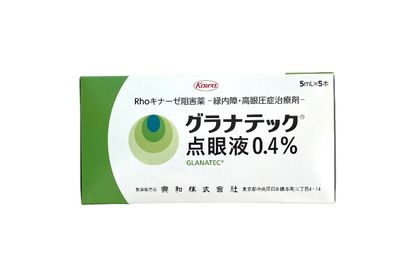
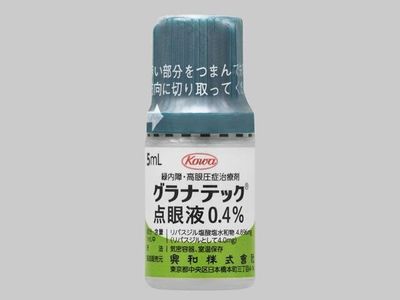
GLANATEC ophthalmic solution 0.4% 5 ml 5 vials
GLANATEC ophthalmic solution 0.4% 5 ml 5 vials
Eye drops for the treatment of glaucoma
€182.20
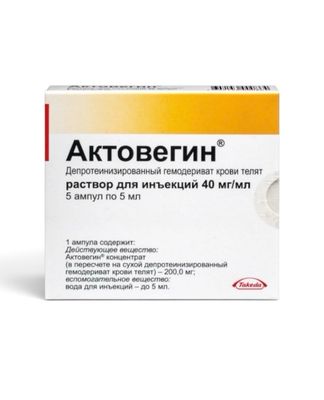
Actovegin 40 mg/ml solution for injection 5 ml 5 ampoules
Actovegin 40 mg/ml solution for injection 5 ml 5 ampoules
Deproteinized hemoderivative metabolic cytoprotector for injection
€48
Display prices in:EUR