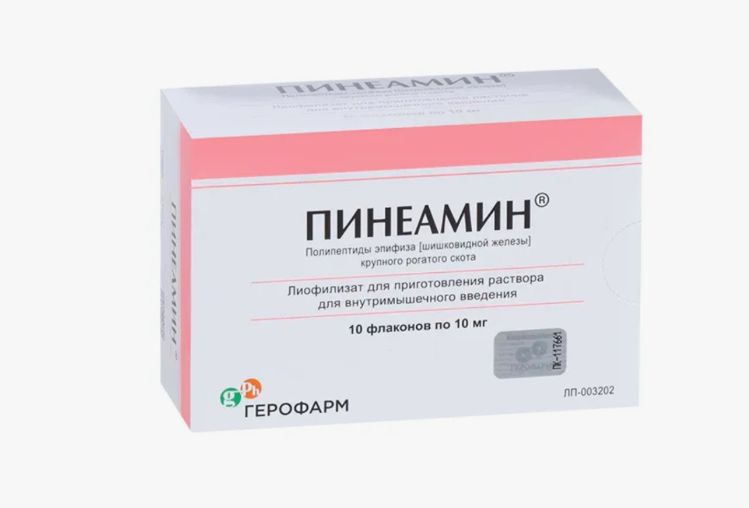
Pineamine lyophilizate for solution preparation for injection 10 mg fl 10 pcs
€720
Epiphyseal peptide preparation for menopausal syndrome
In stock
Pineamine lyophilizate for solution preparation for injection 10 mg fl 10 pcs
Product Details
Pineamin 10 mg: Epiphyseal Peptide Regulation for the Gentle Management of Menopausal Syndrome
The menopausal transition is a physiological stage in every woman's life, yet its neurovegetative companions — hot flashes, night sweats, palpitations, and emotional lability — can profoundly erode daily quality of life. Estrogen-based hormone replacement therapy (HRT) is effective but not universally accessible: absolute contraindications, oncological caution, or a patient's personal decision against hormonal intervention leave both physician and woman facing a difficult choice. Pineamin is an original tissue-specific peptide bioregulator derived from bovine pineal gland (epiphysis). It targets not the consequence (estrogen deficiency) but the central regulatory mechanisms, helping the body independently restore neuroendocrine equilibrium. The pack of 10 vials, each containing 10 mg of lyophilisate, is calibrated for one complete therapeutic course.
🔬 Mechanism of Action: From the Pineal Gland to the Ovaries
To understand Pineamin's mechanism, one must envision the "pineal — hypothalamus — pituitary — ovary" axis. With age, the functional activity of the pineal gland declines, production of its key hormone melatonin drops, and this triggers a cascade of dysregulation throughout the entire reproductive neuroendocrine system.
Pineamin contains a complex of low-molecular-weight, water-soluble polypeptide fractions identical to those normally produced by pineal cells. Upon entering the body, they exert a tissue-specific action:
1. Normalization of Gonadotropic Regulation.
The drug restores the function of the anterior pituitary lobe and the balance of gonadotropic hormones (FSH and LH) — a balance disrupted during menopause. This is not exogenous replacement but a "recalibration" of the body's own regulatory apparatus.2. Stimulation of Endogenous Melatonin Synthesis.
In clinical studies involving postmenopausal women, a course of Pineamin resulted in a statistically significant increase in the urinary excretion of a melatonin metabolite (6-sulfatoxymelatonin) — an objective marker of the pineal gland's melatonin-producing function. Melatonin, in turn, participates in regulating the secretion of gonadoliberin — the key link governing ovarian function.3. Comprehensive Anti-Climacteric Action.
In a clinical trial with postmenopausal participants, Pineamin demonstrated:- A statistically significant reduction in the mean daily number of hot flashes.
- Improved sleep quality: shortened time to fall asleep and a reduction in nocturnal awakenings.
- A significant decrease in the severity of depression and anxiety symptoms (as assessed by validated rating scales).
Thus, Pineamin addresses not a single symptom but the entire neurovegetative symptom complex of menopausal syndrome.
📋 When Pineamin Is Prescribed
The drug is indicated for use in adult women with neurovegetative disorders arising from menopausal syndrome and estrogen deficiency in the following circumstances:
- The presence of contraindications to estrogen-based hormone replacement therapy (HRT).
- The patient's personal refusal of HRT, even in the absence of formal medical contraindications.
💉 Treatment Regimen and Method of Administration
Pineamin is supplied as a lyophilized powder (or porous mass), white or white with a yellowish tint, in a colorless glass vial.
Solution Preparation:
The contents of one vial (10 mg) are dissolved in 1–2 ml of one of the following solvents (at the physician's discretion):- 0.5% procaine (novocaine) solution;
- Water for injection;
- 0.9% sodium chloride solution.
Important: If novocaine is used as the solvent, its own instructions must be reviewed beforehand regarding contraindications, precautions, and age restrictions.
Route of Administration:
Strictly intramuscular. The drug must not be administered subcutaneously or intravenously. Injections are given daily, at approximately the same time of day.Dosage:
10 mg (1 vial) once daily.Course Duration:
10 days. One pack (10 vials) corresponds to a complete treatment course.Repeat Courses:
Should menopausal symptoms re-emerge, a repeat course may be undertaken after 3–6 months.Missed Injection:
If an injection is missed, do not administer a double dose the following day. Continue with the usual schedule at the regular time.Overdose:
If a dose exceeding the recommended amount is accidentally administered, therapy should be discontinued. If vaginal bleeding occurs, consult a physician for symptomatic management. If the patient feels well, drug administration may be resumed in accordance with the physician's instructions.⚠️ Contraindications
Pineamin must not be used in the following circumstances:
- Allergy to the active substance (pineal polypeptides) or any excipient (glycine).
- Age under 18 years.
- Pregnancy (including suspected or planned pregnancy) and breastfeeding.
- Metrorrhagia — bloody discharge or bleeding from the genital tract of unknown origin.
- Premalignant and malignant diseases, including estrogen-dependent tumors of the genital organs and breast.
Additional Precautions:
- Prior to the first injection, a test dose is recommended to rule out individual hypersensitivity.
- If uterine leiomyoma or endometriosis has been diagnosed, the patient must inform her physician: treatment may require additional monitoring.
- The drug does not affect the ability to drive vehicles or operate machinery.
📊 Tolerability Profile and Adverse Reactions
Pineamin is characterized by a favorable safety profile. In clinical studies and post-marketing experience:
- Common (affecting no more than 1 in 10 patients): bloody vaginal discharge.
- Rare (affecting no more than 1 in 1,000 patients): induration (infiltrate) at the injection site.
No cases of serious allergic reactions or individual hypersensitivity to the drug's components have been registered; however, such reactions remain possible. Should difficulty breathing, a sharp drop in blood pressure, swelling (including laryngeal edema), pruritus, wheals, skin reddening, or an accelerated pulse occur, immediate medical attention is required.
Reporting Adverse Reactions:
All side effects, including those not listed in the package leaflet, should be reported to the treating physician. This contributes to the ongoing collection of drug safety data.📦 Storage and Disposal
- Temperature Range: 2 to 20 °C (36 to 68 °F).
- Protection from Light: Mandatory.
- Child Access: Must be prevented.
- Shelf Life: Indicated on the carton after the words "EXP." The expiry date is the last day of the stated month.
- Reconstituted Solution: Must not be stored and must be used immediately.
Important notice
The photograph is provided for product identification. Packaging design may vary by batch or market. This page provides general product information and does not replace the package leaflet, diagnosis, prescription or advice from a doctor or pharmacist.
📦 Ask about availability and delivery to your country on WhatsApp
You May Also Like
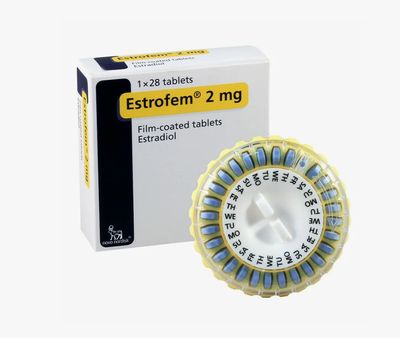
Estrofem 2 mg 28 tablets
Estrofem 2 mg 28 tablets
Estradiol tablets for estrogen deficiency in women
€27
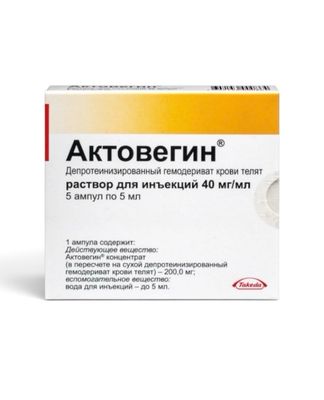
Actovegin 40 mg/ml solution for injection 5 ml 5 ampoules
Actovegin 40 mg/ml solution for injection 5 ml 5 ampoules
Deproteinized hemoderivative metabolic cytoprotector for injection
€48
Display prices in:EUR