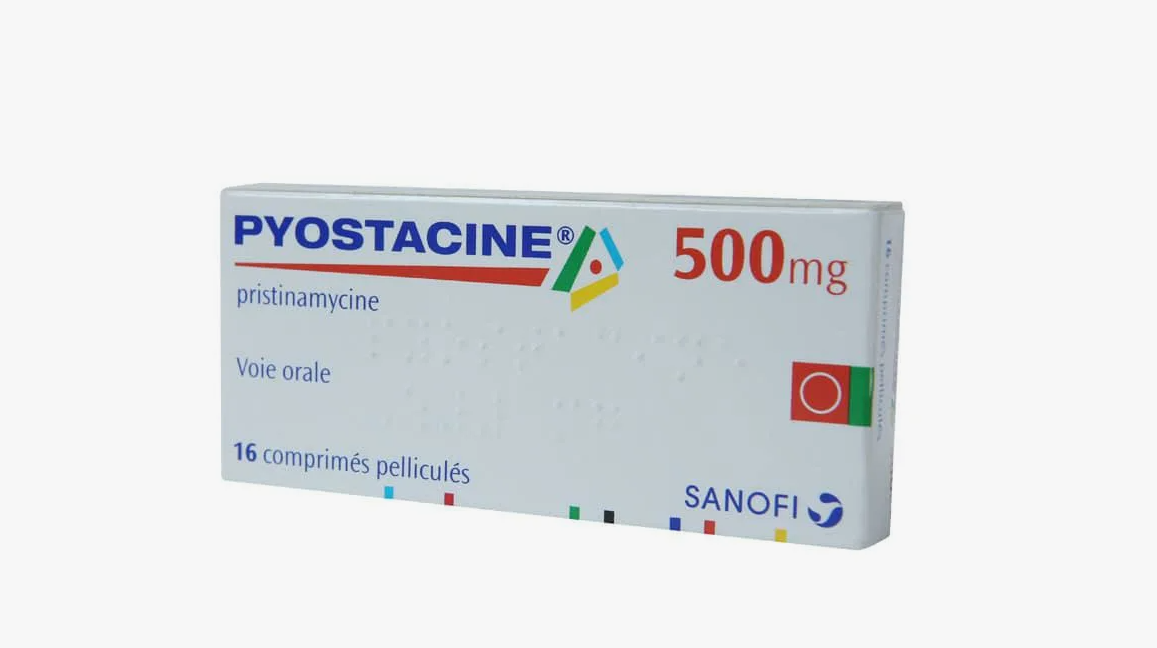
Pyostacin (Pristinamycin) 500mg 16 tab.
€70
antibiotic
In stock
Pyostacin (Pristinamycin) 500mg 16 tab.
Product Details
.
Pyostacin 500 mg: A Streptogramin Antibiotic for Overcoming Respiratory and Skin Infections
In the era of escalating antimicrobial resistance, molecules possessing a unique mechanism of action — against which bacteria have yet to develop cross-resistance — acquire particular value. Pyostacin 500 mg is an oral antibiotic whose active ingredient is pristinamycin, a naturally occurring member of the streptogramin class. The pack of 16 film-coated tablets is calibrated for a short yet intensive therapeutic course, enabling effective management of upper and lower respiratory tract infections as well as skin and soft tissue pathologies.
🔬 Pharmacological Profile: A Dual Strike Against the Bacterial Ribosome
Pristinamycin is a mixture of two synergistic components — pristinamycin IA (a macrocyclic lactone) and pristinamycin IIA (a polyunsaturated macrolactone). Individually, each exerts a bacteriostatic effect; together, they form a potent bactericidal complex.
The mechanism of action is unique: both components bind to distinct sites on the 50S ribosomal subunit of bacteria, blocking protein synthesis at two sequential steps — first, the formation of the peptide bond is inhibited, then the translocation of the elongating polypeptide chain is disrupted. This dual blockade dramatically reduces the probability of de novo resistance development.
Key Targets of Pristinamycin:
- Gram-positive cocci: staphylococci (including methicillin-resistant strains), streptococci, pneumococci.
- Gram-negative respiratory pathogens: Haemophilus influenzae, Moraxella catarrhalis.
- Atypical intracellular pathogens: Mycoplasma pneumoniae, Chlamydia pneumoniae.
An important caveat: pristinamycin's therapeutic niche does not extend to group A beta-hemolytic streptococcus (GABHS) — the causative agent of strep throat. Clinical trials have demonstrated that GABHS eradication rates with pristinamycin are substantially inferior to those achieved with amoxicillin; consequently, the drug is not recommended for the treatment of acute tonsillitis.
📋 Therapeutic Indications and Treatment Regimens
Pyostacin 500 mg is approved for use in adults and children for the following infections:
1. Upper Respiratory Tract Infections:
- Acute maxillary sinusitis.
- Adults: 1 g (2 tablets) twice daily for 4 days.
2. Lower Respiratory Tract Infections:
- Acute exacerbation of chronic bronchitis of bacterial origin.
- Adults: 1 g three times daily for 4 days.
- Community-acquired pneumonia of mild to moderate severity.
- Adults: 1 g three times daily for 7 to 14 days.
3. Skin and Soft Tissue Infections:
- Pyoderma, cellulitis, erysipelas, infected wounds.
- Adults: 1 g twice daily up to 1 g three times daily for 8 to 14 days.
In severe infections, the daily dose may be escalated to 4 g.
4. Pediatric Use:
- Standard dosage: 50 mg/kg of body weight per day, divided into two or three doses.
- In severe infections, the dose may be increased to 100 mg/kg/day.
- The pediatric dose must not exceed the maximum adult dose.
- Tablets are not intended for children under 6 years of age due to the risk of aspiration and choking. No alternative pristinamycin dosage forms exist for young children.
💊 Administration Rules and Pharmacokinetic Considerations
- Food Timing: Tablets must be taken strictly with meals. This enhances pristinamycin bioavailability and reduces the frequency of gastrointestinal side effects.
- Method of Administration: The tablet is swallowed whole, without chewing, with a glass of water.
- Renal Impairment: No dose adjustment is required, as renal excretion of pristinamycin is minimal.
⚠️ Contraindications
Pyostacin is categorically contraindicated in:
- Hypersensitivity to pristinamycin, other streptogramins (e.g., virginiamycin), or any tablet excipient.
- A history of acute generalized exanthematous pustulosis (AGEP) triggered by pristinamycin intake.
- Wheat allergy (excluding patients with celiac disease).
- Concurrent use of colchicine.
- Lactation.
📊 Special Precautions and Safety Profile
Hypersensitivity and Cutaneous Reactions:
Serious allergic reactions — including angioedema and anaphylactic shock — may occur during pristinamycin therapy. Should generalized febrile erythema accompanied by pustule formation appear at the onset of treatment, AGEP must be suspected and the drug discontinued immediately. Re-administration of pristinamycin in such cases is contraindicated.Celiac Disease:
The product contains wheat starch; however, the gluten content is present only in trace amounts and is therefore not considered hazardous for patients with celiac disease.Drug-Drug Interactions:
- Colchicine (Contraindicated Combination). Co-administration potentiates colchicine toxicity, with potentially fatal consequences.
- Immunosuppressants (ciclosporin, tacrolimus, everolimus, etc.). Pristinamycin inhibits their hepatic metabolism, elevating blood immunosuppressant concentrations. Monitoring of immunosuppressant blood levels and renal function is mandatory, with dose adjustment during and after discontinuation of concomitant therapy.
📦 Storage Conditions
Tablets must be kept in a dry, light-protected location at room temperature (not exceeding 25 °C / 77 °F), out of the reach of children.
📦Find out about the delivery to your country on WhatsApp
Important notice
The photograph is provided for product identification. Packaging design may vary by batch or market. This page provides general product information and does not replace the package leaflet, diagnosis, prescription or advice from a doctor or pharmacist.
You May Also Like
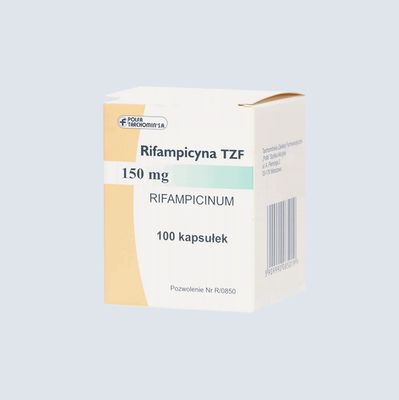
Rifampicin Sandoz (Rifampicin) 150 mg 100 capsules
Rifampicin Sandoz (Rifampicin) 150 mg 100 capsules
Rifampicin 150 mg, 100 capsules — rifamycin antibacterial (Sandoz)
€42
Display prices in:EUR