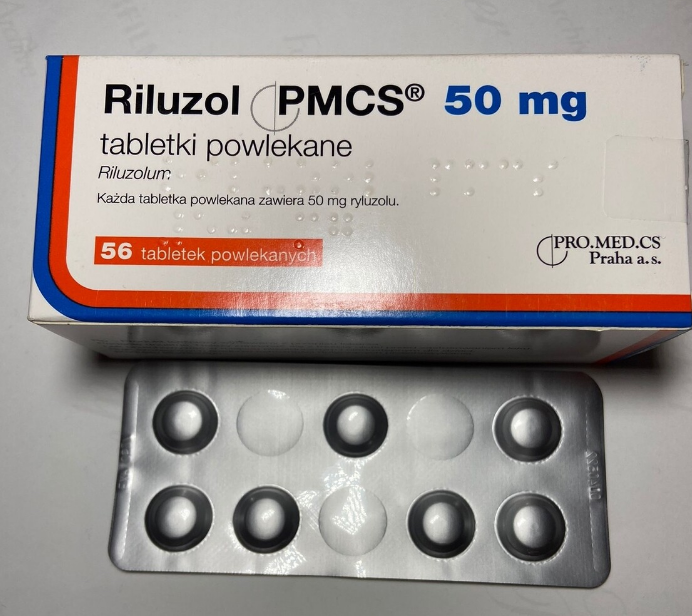
Riluzol PMCS 50 mg 56 tab.
Product Details
Riluzole PMCS 50 mg: The Pharmacological Brake on Amyotrophic Lateral Sclerosis Progression
Amyotrophic lateral sclerosis (ALS, Charcot’s disease) is a relentlessly advancing neurodegenerative illness in which the death of motor neurons leads to inexorable muscular paralysis. Within the clinician’s armamentarium against this diagnosis, only a handful of agents can meaningfully influence the speed of the pathological cascade. Riluzole PMCS 50 mg is one such drug. A pack of 56 tablets covers 28 days of standard therapy, and behind this modest blister lies a molecule that has proven capable of granting patients the most precious commodity — additional time.
🧠 Pathogenesis and Pharmacological Target: The War on Glutamate
To comprehend Riluzole’s role in ALS therapy, one must understand a principal mechanism of neuronal demise — excitotoxicity.
Motor neurons communicate via neurotransmitters, and the dominant excitatory messenger in this system is glutamate. Under physiological conditions, glutamate is released in tightly controlled quantities and swiftly cleared from the synaptic cleft. In ALS, this equilibrium collapses: glutamate accumulates to excessive levels outside the cells, causing relentless overstimulation of postsynaptic receptors. Calcium ions flood into the neuron, cascades of oxidative stress are ignited, mitochondria malfunction, and the motor neuron ultimately perishes.
Riluzole intervenes in this vicious circle as an antagonist of glutamatergic transmission. Its multifaceted action includes:
- Inhibiting presynaptic glutamate release.
- Blocking voltage-gated sodium channels, thereby reducing postsynaptic membrane excitability.
- Exerting indirect modulatory effects on glutamate receptor function.
The net result is a reduction in the intensity of the excitotoxic assault on motor neurons — not a complete cessation, but a clinically meaningful attenuation.
📊 Clinical Reality: What the Drug Can and Cannot Do
Riluzole therapy demands profoundly realistic expectations from patients and their loved ones. The following facts are substantiated by randomized controlled trials involving 1,477 participants:
- Life Extension: On average, 3–6 months. Over an 18-month treatment period, the gain may amount to 2 to 4 months. To a healthy individual, this figure appears modest. To a family for whom every conversation and every touch counts, these weeks and months are priceless.
- Deceleration, Not a Halt. Riluzole does not resurrect already-lost neurons, nor does it cure ALS. It reduces the rate of motor function degradation, postponing the onset of terminal disease stages.
- Individual Responses. Averaged clinical trial data cannot guarantee an effect in any individual patient. ALS runs a heterogeneous course: some patients subjectively perceive an improved quality of life, while in others the disease continues its progression almost unaffected. Nonetheless, Riluzole remains, to date, the sole agent that targets ALS pathogenesis rather than merely its symptoms.
A Critical Psychological Dimension: The awareness that one is fighting the disease not empty-handed but with pharmacological reinforcement can fortify morale and alleviate the sense of helplessness in the face of the diagnosis. This factor must not be dismissed when evaluating the holistic benefit of therapy.
📋 Tablet Composition and Pharmaceutical Design
Each tablet contains 50 mg of riluzole. The core is constructed using anhydrous dibasic calcium phosphate, microcrystalline cellulose, colloidal silicon dioxide, croscarmellose sodium, and magnesium stearate. The film coating consists of hypromellose, macrogol 6000, and titanium dioxide (E171). This formulation ensures both the stability of the active ingredient and controlled release within the gastrointestinal tract.
💊 Dosing Regimen and Dysphagia Management
- Standard Daily Dose: 100 mg, divided into two 50 mg intakes spaced 12 hours apart.
- Food Timing: The tablet should be taken a few hours before or after meals to optimize absorption.
- Course Duration: Determined strictly on an individual basis by the treating physician.
Special Guidance for Patients with Swallowing Difficulties (Dysphagia):
Since ALS sooner or later compromises bulbar musculature, swallowing a whole tablet becomes problematic. The manufacturer permits tablet crushing and mixing with a teaspoonful of sugar. However, it must be noted that in pulverized form the drug may exert a mild anesthetic effect on the oral mucosa. To mask this sensation and ease ingestion, crushed tablets are best incorporated into soft foods such as fruit purée, yogurt, or ice cream.
Two Critical Cautions:
- Do not dilute the crushed tablet in water — riluzole is insoluble in it.
- Absolutely do not introduce ground tablet material through a gastrostomy tube — coarse particles can obstruct the lumen. When enteral feeding via stoma becomes necessary, a physician-led reassessment of the route of drug administration is mandatory.
⚠️ Safety Profile and Monitoring Framework
Riluzole use demands mandatory laboratory surveillance:
- Liver Enzymes. The most frequent laboratory deviation is a rise in alanine aminotransferase (ALT). Typically, this elevation is transient in nature and normalizes within several months without treatment discontinuation. Nevertheless, regular biochemical monitoring of hepatic function is not a recommendation but an imperative throughout the entire treatment span.
- Common Adverse Events: asthenia, somnolence, dizziness, tachycardia, paresthesias, nausea, vomiting, diarrhea, and abdominal pain.
- Less Frequent but Noteworthy: marked anemia, neutropenia, persistent headaches.
- Rare but Potentially Serious Reactions: angioedema, anaphylaxis, pancreatitis, drug-induced hepatitis.
Driving and Machinery Operation: Dizziness, which may emerge during treatment, directly impacts the capacity to drive a motor vehicle. The patient must discuss this risk with their physician.
🔗 Drug-Drug Interactions and Absolute Contraindications
Riluzole is metabolized via the cytochrome P450 system (primarily CYP1A2). Co-administration with agents that inhibit this enzymatic pathway decelerates riluzole elimination and heightens its toxicity. The list of hazardous companions includes:
- Fluvoxamine, amitriptyline, imipramine, clomipramine.
- Caffeine, theophylline.
- Diclofenac, phenacetin.
- Diazepam, nicergoline, quinoline derivatives.
Contraindications to Prescription:
- Pediatric population.
- Pregnancy and lactation.
- Renal failure.
- Clinically significant hepatic functional disturbances.
- Baseline ALT elevation exceeding 5 times the upper limit of normal.
- Individual hypersensitivity to any tablet component.
📦 Storage and Shelf Life
The product must be stored in a dry place, inaccessible to children, at a temperature not exceeding 25 °C (77 °F). Shelf life from the date of manufacture is 3 years.
📦Find out about the delivery to your country on WhatsApp
Important notice
The photograph is provided for product identification. Packaging design may vary by batch or market. This page provides general product information and does not replace the package leaflet, diagnosis, prescription or advice from a doctor or pharmacist.
You May Also Like
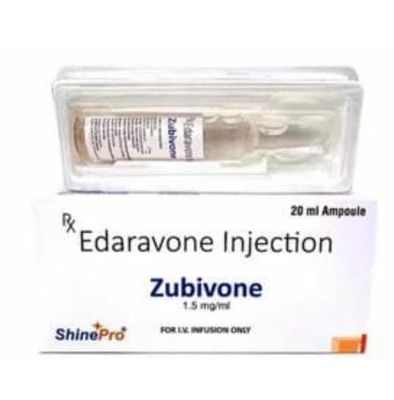
Zubivone (Edaravone) 1.5 mg 20 ml 1 ampoule
Zubivone (Edaravone) 1.5 mg 20 ml 1 ampoule
A drug for the treatment of stroke and ALS
€20.50
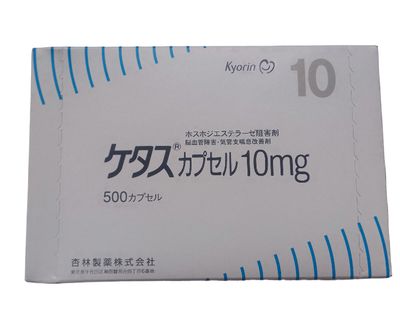
Ketas (Ibudilast) 10 mg 500 capsules.
Ketas (Ibudilast) 10 mg 500 capsules.
A drug for the treatment of bronchial asthma, as well as ALS and MS
€264
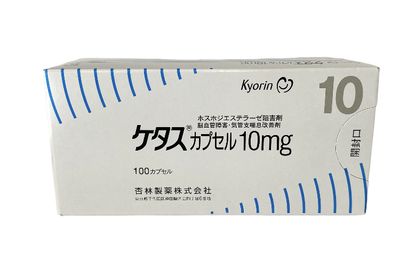
Ketas (Ibudilast) 10 mg 100 tab.
Ketas (Ibudilast) 10 mg 100 tab.
A drug for the treatment of asthma
€67
Display prices in:EUR