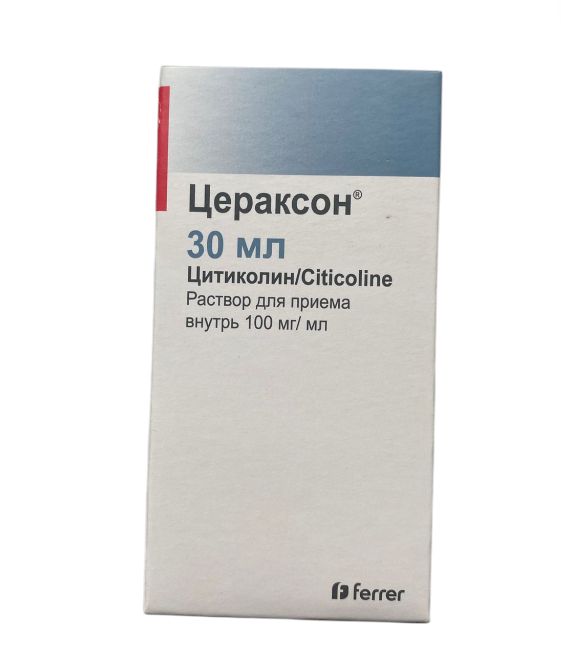
Ceraxone (Citicoline) 100 mg 30 ml
€56
Neurology
In stock
Ceraxone (Citicoline) 100 mg 30 ml
Product Details
Ceraxone (Citicoline) 100 mg 30 ml
Main Features:
Active substance: Citicoline (Cytidine-5'-diphosphocholine).
Dosage form: An oral solution (often clear, colorless, or slightly colored). It can have a dosing syringe or a measuring cap included.
Dosage: 100 mg of citicoline in 1 ml of solution. A 30 ml bottle contains 3000 mg (3 g) of the active ingredient.
Pharmacological action
Nootropic and neuroprotective agent. Citicoline is a natural component of the cell membranes of neurons.
Restores damaged nerve cell membranes.
Improves the transmission of nerve impulses.
Reduces the formation of free radicals, protecting brain cells from damage (antioxidant effect).
Improves cerebral blood flow and metabolism in brain tissues.
Indications for use
The drug is used in complex therapy for:
Acute periods of ischemic stroke and traumatic brain injury (to reduce the amount of brain damage and improve recovery).
Recovery period after stroke, brain injury, and neurosurgery (to improve cognitive functions: memory, attention, and thinking).
Chronic neurodegenerative and vascular diseases:
Dementia (including Alzheimer's disease, vascular dementia).
Cognitive impairments of various origins.
Parkinson's disease.
Consequences of cerebral circulation disorders.
Method of administration and dosage (standard)
How to take: The solution is taken orally, regardless of food intake. It can be taken undiluted or mixed with water (about 120 ml).
Dosage: It is determined by the doctor strictly individually, depending on the diagnosis and severity of the condition.
Acute conditions (stroke, severe injury): Usually 500-2000 mg (5-20 ml) per day, divided into 2 doses. The course starts from 6 weeks.
Recovery period and chronic diseases: Usually 500-1000 mg (5-10 ml) per day, once or in 2 doses. The course can be long (3-6 months or more), which is determined by the doctor.
Important: Use the attached syringe or measuring cap for accurate dosing. 100 mg = 1 ml.
Contraindications
Hypersensitivity to citicoline or other components of the solution.
Increased tone of the parasympathetic nervous system (vagotonia).
Children under 18 years of age (for this dosage form and dosage, as safety has not been established).
Pregnancy and lactation. The application is not recommended due to the lack of sufficient data.
Side effects (rare)
From the nervous system: headache, dizziness, insomnia or drowsiness, tremor, paresthesia (a feeling of "goosebumps").
Gastrointestinal disorders: nausea, diarrhea, epigastric pain, dry mouth.
Allergic reactions: rash, itching, urticaria.
Others: changes in blood pressure, feeling of heat, swelling.
Special instructions and interactions
Reception in the elderly: No dose adjustment is required.
Interaction: Citicoline may enhance the effects of levodopa (a drug used to treat Parkinson's disease).
Influence on transport management: During treatment, care should be taken when driving vehicles and engaging in other potentially dangerous activities that require increased concentration of attention and speed of psychomotor reactions.
Keeping
Keep out of reach of children.
At a temperature not exceeding 25 ° C, in the original packaging, protected from light.
Shelf life: Usually 2-3 years (indicated on the package). After opening the vial, the solution can usually be stored for several weeks (the exact dates are indicated in the official instructions).
The main conclusion is that Ceraxone is a prescription drug for serious neurological disorders. Its appointment, dosage and duration of administration should be determined only by a neurologist based on a specific diagnosis and condition of the patient.
Important notice
The photograph is provided for product identification. Packaging design may vary by batch or market. This page provides general product information and does not replace the package leaflet, diagnosis, prescription or advice from a doctor or pharmacist.
📦 Ask about availability and delivery to your country on WhatsApp
You May Also Like
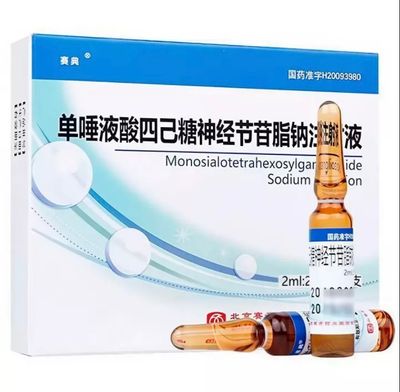
Ganglioside Sodium Injection 20 mg, 6 ampoules/2 ml
Ganglioside Sodium Injection 20 mg, 6 ampoules/2 ml
Treatment of Central Nervous System lesions
€185

Display prices in:EUR