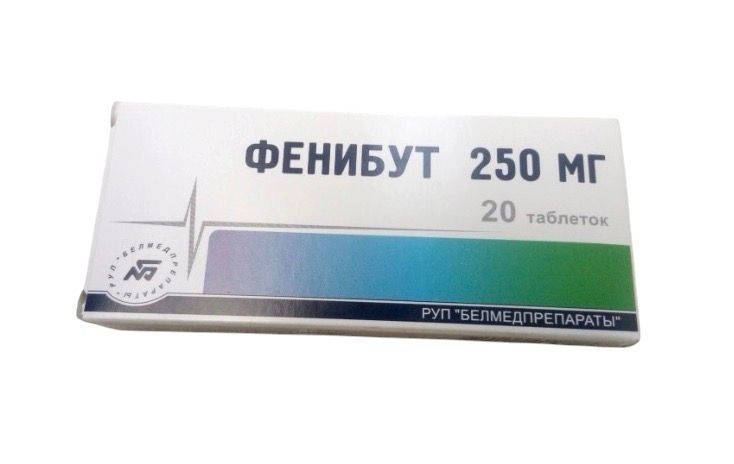
Phenibut 250 mg 20 tablets
€30
the nervous system
In stock
Phenibut 250 mg 20 tablets
Product Details
Phenibut 250 mg: A Dual-Action Anxiolytic and Nootropic Agent
Within the psychoneurological armamentarium, relatively few agents can simultaneously calm anxiety and stimulate cognitive function without inducing pronounced sedation and muscle relaxation. Phenibut (international name: aminophenylbutyric acid) is a synthetic derivative of gamma-aminobutyric acid (GABA) and phenylethylamine that merges the properties of an anxiolytic (anti-anxiety agent) and a mild nootropic. A pack of 20 tablets, each containing 250 mg, is designed for course-based therapy under strict medical supervision — self-directed use of this compound is fraught with serious risks.
🧠 Dual Mechanism: GABA-Ergic Modulation and Neurometabolic Support
The uniqueness of phenibut resides in its ability to influence the central nervous system through multiple channels:
- GABA-Mimetic Action. Unlike GABA itself, which penetrates the blood-brain barrier poorly, phenibut — owing to its attached phenyl group — readily enters the brain. There it binds to GABA-B receptors, diminishing neuronal excitability. This component accounts for the anxiolytic effect: a reduction in internal tension, anxiety, fear, and affective lability.
- Influence on Dopamine and Serotonin Systems. The phenylethylamine moiety of the molecule provides a mild activating effect by modulating dopamine metabolism. This explains the paradoxical combination: the drug calms without sedating, and may instead sharpen cognitive clarity and enhance motivation.
- Neurometabolic Component. Phenibut improves microcirculation within cerebral vessels, exerts antiplatelet activity, and displays antioxidant properties, shielding neurons from hypoxia and toxic insults.
📋 Clinical Niche: When It Is Prescribed
A physician may consider prescribing phenibut in the following pathological states:
- Anxiety-Asthenic Disorders. Conditions hallmarked by internal tension, restlessness, fear, emotional instability, and co-occurring mental fatigue.
- Neurotic and Neurosis-Like States. Intrusive thoughts, hypochondriacal fixation, psychogenic insomnia.
- Correction of Neuroleptic Side Effects. Phenibut is capable of attenuating the manifestations of extrapyramidal disorders (neuroleptic-induced parkinsonism, akathisia), making it a valuable component in complex psychiatric regimens.
- Withdrawal Syndromes. As part of the comprehensive management of alcohol and opioid withdrawal, to mitigate anxiety, autonomic dysfunction, and sleep disturbances.
- Stuttering, Tics, and Enuresis in Children (exclusively upon prescription and under the supervision of a pediatric neurologist or psychiatrist).
- Prevention of Preoperative/Procedural Anxiety (premedication).
💊 Dosing Regimen and Responsible Use
- Standard Single Dose for Adults: 250–500 mg.
- Daily Dose: Typically 750–1500 mg, divided into three intakes.
- Course Duration: Generally 2–3 weeks, subject to physician-directed adjustment.
- Route of Administration: Tablets are taken orally, after meals.
Fundamental Cautions:
- Phenibut is a prescription-only medication. Independent initiation of therapy without diagnostic workup and medical approval is inadmissible.
- Tolerance and Dependence. With prolonged, unsupervised use, tolerance — a diminished effect requiring dose escalation — may develop, alongside the formation of both psychological and physical dependence. For this reason, the course must be time-limited, and discontinuation must proceed gradually.
- Withdrawal Syndrome. Abrupt cessation following an extended course is capable of precipitating anxiety, irritability, and sleep disorders.
⚠️ Contraindications and Precautionary Measures
Phenibut intake is absolutely ruled out in the setting of:
- Individual hypersensitivity to the constituents.
- Pregnancy and breastfeeding.
- Children under 3 years of age (for the tablet formulation).
- Severe hepatic insufficiency.
- Erosive and ulcerative gastrointestinal tract diseases in the acute phase.
Enhanced Caution: is required for patients whose activities involve driving motor vehicles or operating machinery — particularly during the initial days of therapy, until the individual reaction to the drug is clarified.
📊 Adverse Reactions
When therapeutic doses are adhered to, phenibut is well tolerated. Among the possible undesirable effects:
- At the start of the course: drowsiness, mild dizziness.
- Dyspeptic phenomena: nausea.
- Allergic skin rashes.
- With overdosage or protracted, uncontrolled intake — psychomotor agitation, euphoria, sleep disturbances, and pronounced anxiety upon attempted withdrawal.
📦 Storage
The tablets must be kept in the original factory packaging, in a dry place protected from light, at a temperature not exceeding 25 °C (77 °F). Access by children must be categorically prevented.
📦Find out about the delivery to your country on WhatsApp
Important notice
The photograph is provided for product identification. Packaging design may vary by batch or market. This page provides general product information and does not replace the package leaflet, diagnosis, prescription or advice from a doctor or pharmacist.
You May Also Like

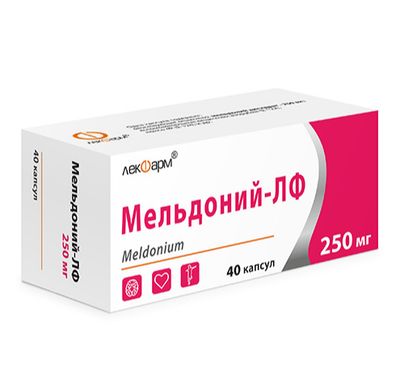
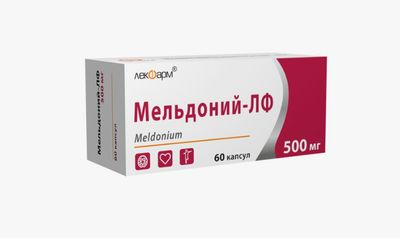
MELDONIUM-LF 250/500 mg 40 capsules
MELDONIUM-LF 250/500 mg 40 capsules
vascular and nervous system
€25





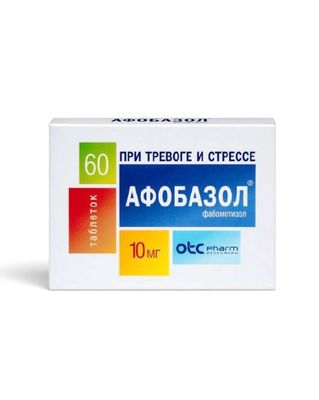
Afobazol (Fabomotizol) 10 mg 60 tablets
Afobazol (Fabomotizol) 10 mg 60 tablets
Fabomotizol 10 mg, 60 tablets — anxiolytic
€28
Display prices in:EUR